IES LaboratoryTechnical University of Cluj-Napoca · Baia Mare

Ongoing projects

Physiological monitoring and human–machine interaction in eHealth
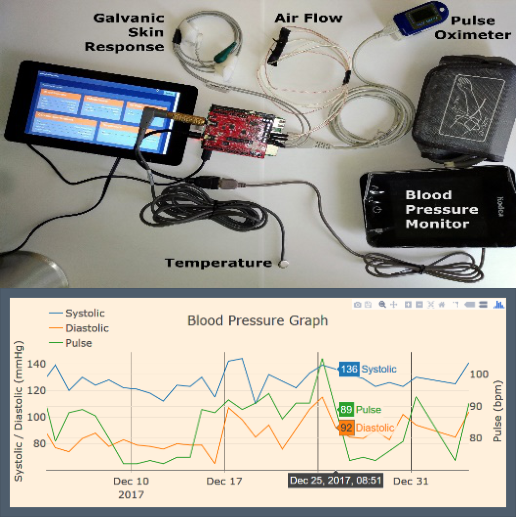
Physiological sensors and recorded blood pressure

Iuliu Alexandru Pap studies physiological data acquisition and human–machine interaction in eHealth. The prototype shown here records respiration, skin response and blood pressure. His subsequent work includes EEG analysis and a conversational interface for querying personal health records.

Intelligent wearable systems for eHealth and active assisted living

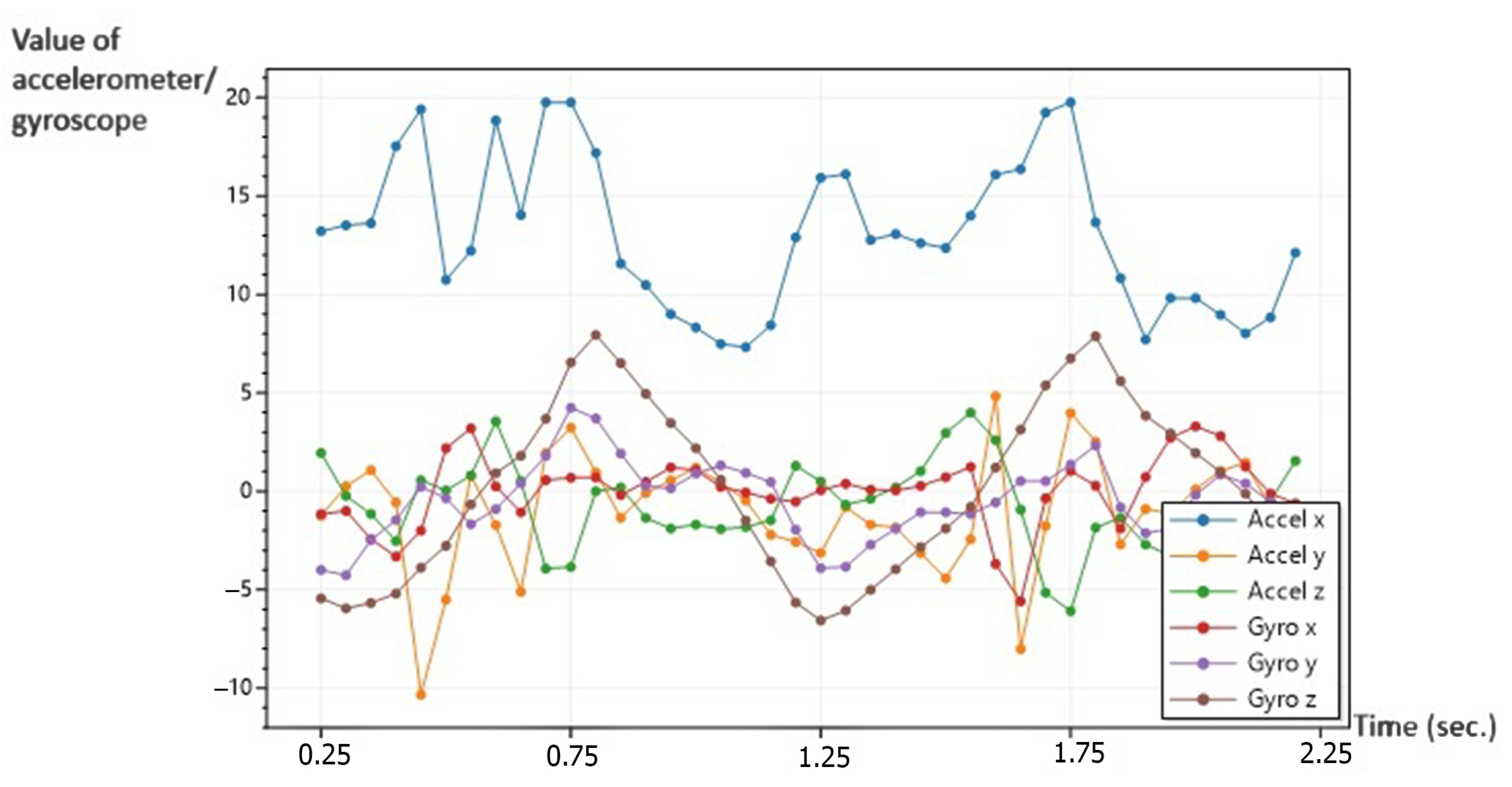
Accelerometer and gyroscope signals in a non-overlapping time window
Accelerometer and gyroscope signals in a non-overlapping time window · Alexan et al., Fig. 3 · CC BY 4.0

Alexandru Iulian Alexan studies human activity recognition using wrist-worn devices. Accelerometer and gyroscope signals are divided into time windows and represented as images for classification.

eHealth and intelligent ambient systems for active assisted living

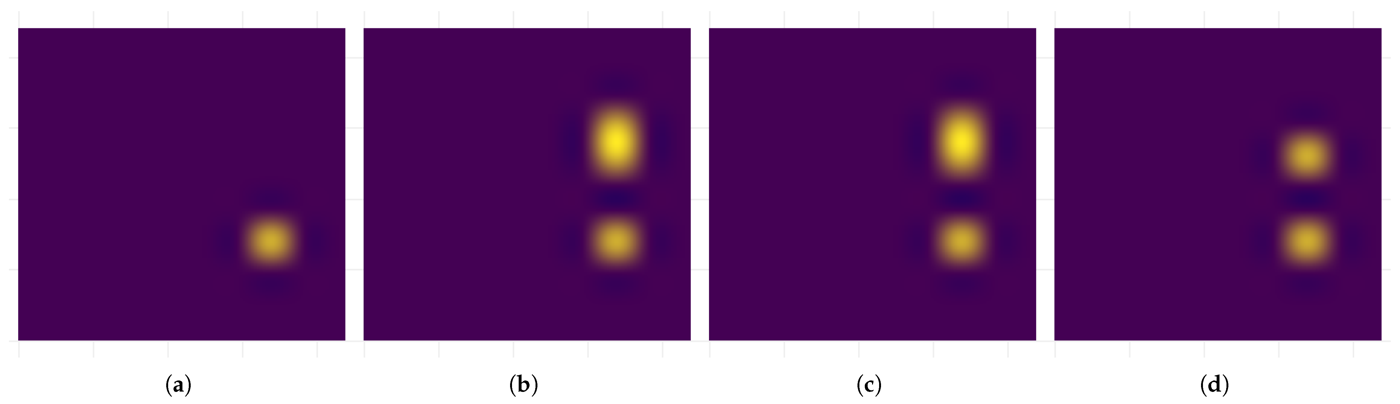
Activity density maps from the Kyoto multi-resident dataset
Activity density maps from the Kyoto multi-resident dataset · Alexan et al., Fig. 3 · CC BY 4.0

Anca Roxana Alexan studies activity recognition in homes with multiple residents. The method represents sequences of ambient sensor events as density maps for classification.

Edge forecasting for indoor environmental monitoring

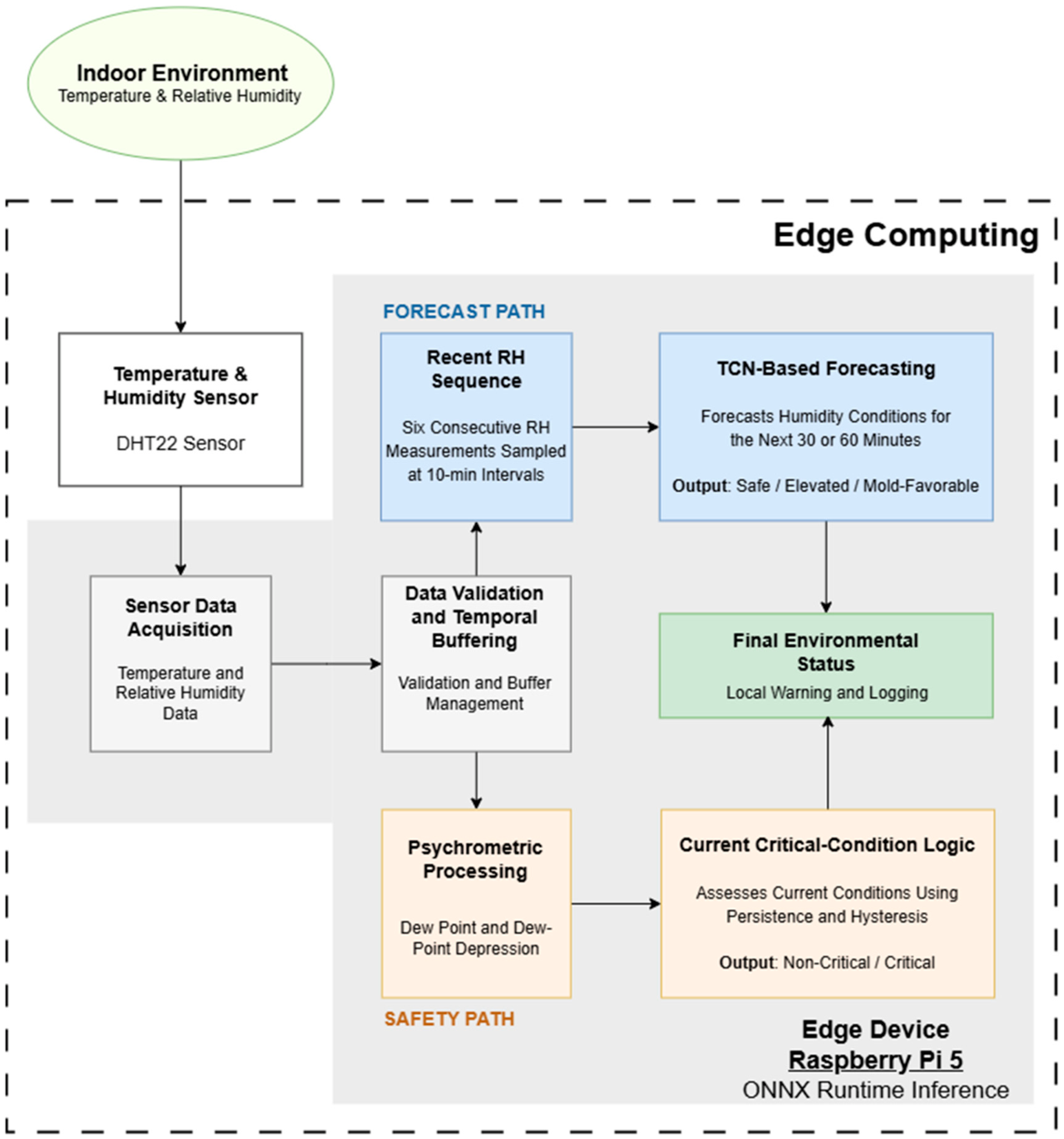
Hybrid edge architecture for indoor monitoring
Hybrid edge architecture for indoor monitoring · Nistor et al., Fig. 1 · CC BY 4.0

Paul Nistor studies environmental sensing and short-horizon forecasting on edge devices. His work ranges from monitoring environmental parameters and estimating temperature with a virtual sensor to evaluating early warnings for indoor conditions favourable to mould growth on a Raspberry Pi 5.

Image-based classification of plant diseases

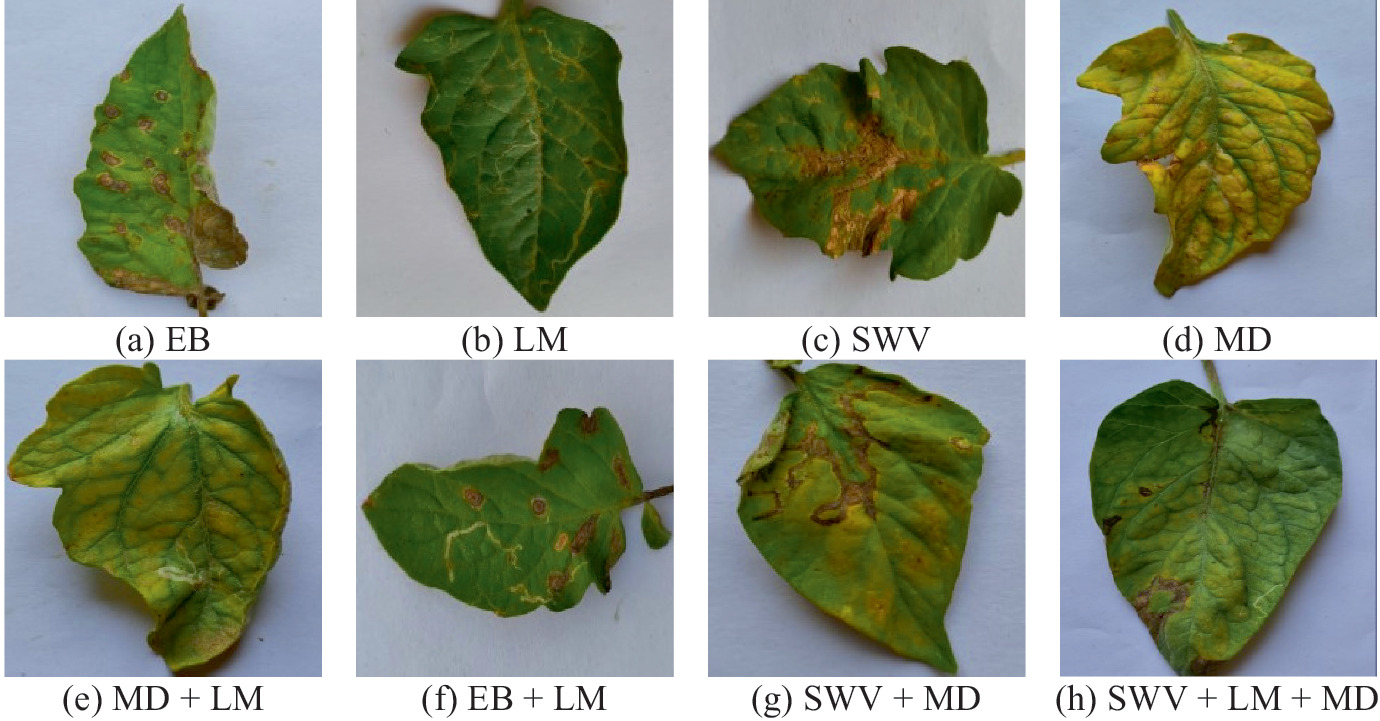
Sample tomato leaf images from the dataset
Sample tomato leaf images from the dataset · Cosma, Oniga & Cosma (2025), Fig. 1

Laura Cosma investigates image-based detection and classification of plant diseases. With Ștefan Oniga and Ovidiu Cosma, she also studied multispectral weed mapping for precision agriculture.

Research collaborations

Machine learning for human activity recognition and EEG analysis

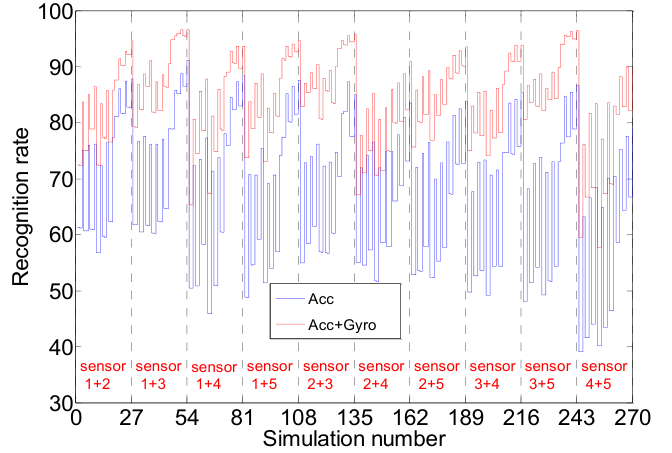
Activity recognition rates with accelerometers alone and with gyroscopes
Activity recognition rates with accelerometers alone and with gyroscopes · Oniga & Sütő (2015), Fig. 1

Ștefan Oniga and his PhD students at the University of Debrecen — József Sütő, Tamás Majoros and Yu Xie — investigated human activity recognition and EEG classification. Sütő studied sensor selection and compared offline and real-time activity recognition. Majoros investigated motor imagery classification from EEG signals, and Xie studied transfer learning across EEG tasks.

Reconfigurable computing and hardware acceleration for intelligent sensing

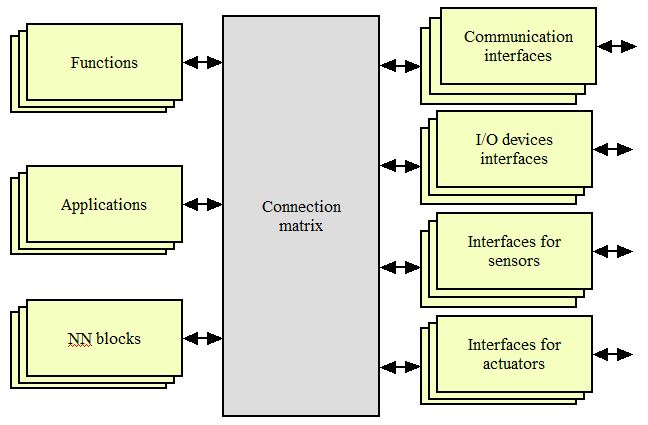
Modular FPGA prototyping platform
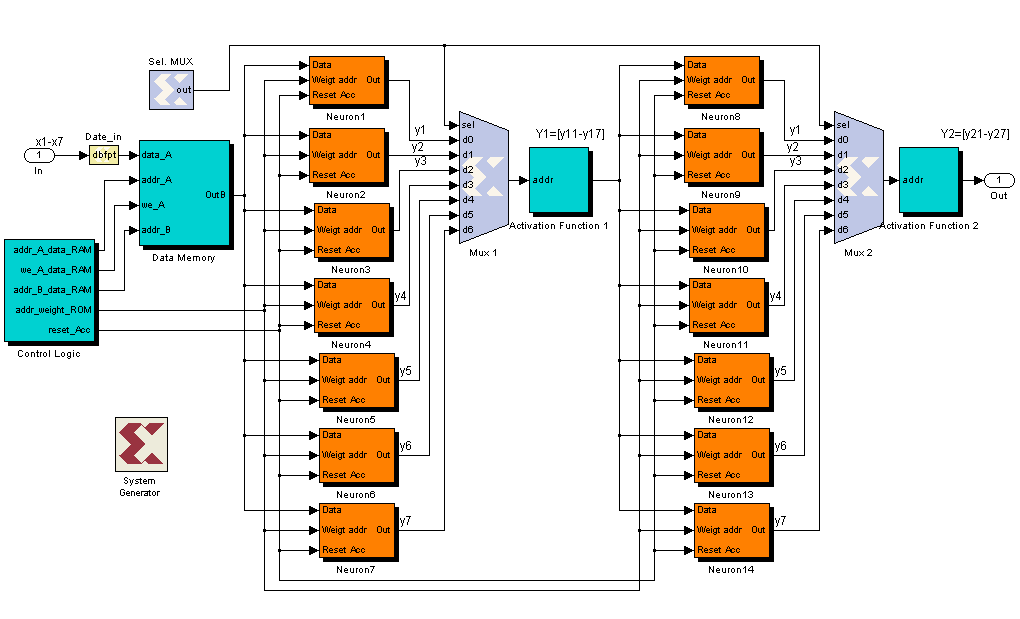
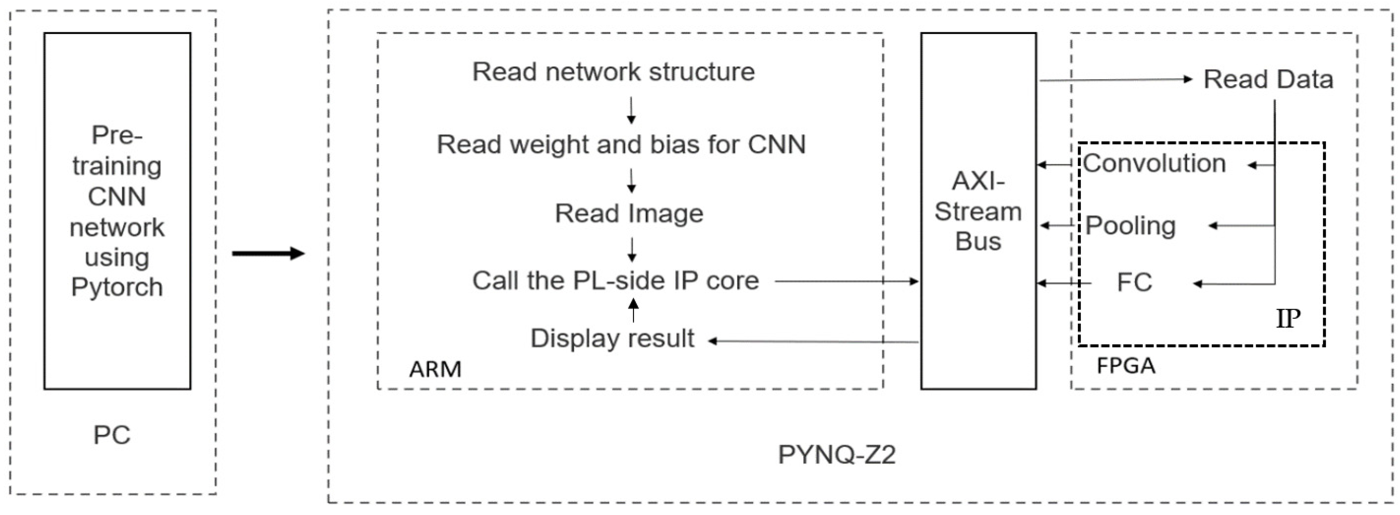
Neural network implementation in programmable logic

Ștefan Oniga, Claudiu Lung, Ioan Orha and other collaborators developed a modular FPGA platform that connects reusable processing blocks to sensor and actuator interfaces. This hardware–software co-design approach supports rapid prototyping, from sensor acquisition to neural network inference.

Oniga et al. (2010) · Adaptive hardware–software co-design platform

Oniga & Sütő (ICCC 2014) · Human activity recognition using neural networks describes the activity-recognition application. Later implementations include Sobel edge detection on PYNQ-Z2 and an FPGA accelerator for EEG pattern recognition.

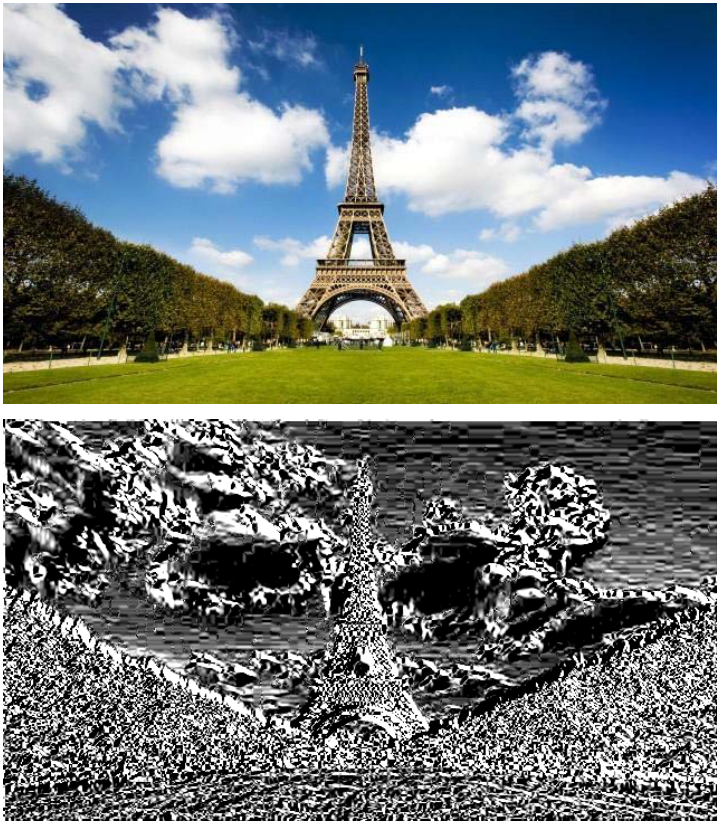
Input image and Sobel edge detection result on PYNQ-Z2
Input image and Sobel edge detection result on PYNQ-Z2 · Mándi et al. (2021), Fig. 5
Portable EEG processing and FPGA acceleration framework
Portable EEG processing and FPGA acceleration framework · Xie, Majoros & Oniga (2022), Fig. 7 · CC BY 4.0

Earlier projects and prototypes

Hardware-in-the-loop testing for wheeled robots

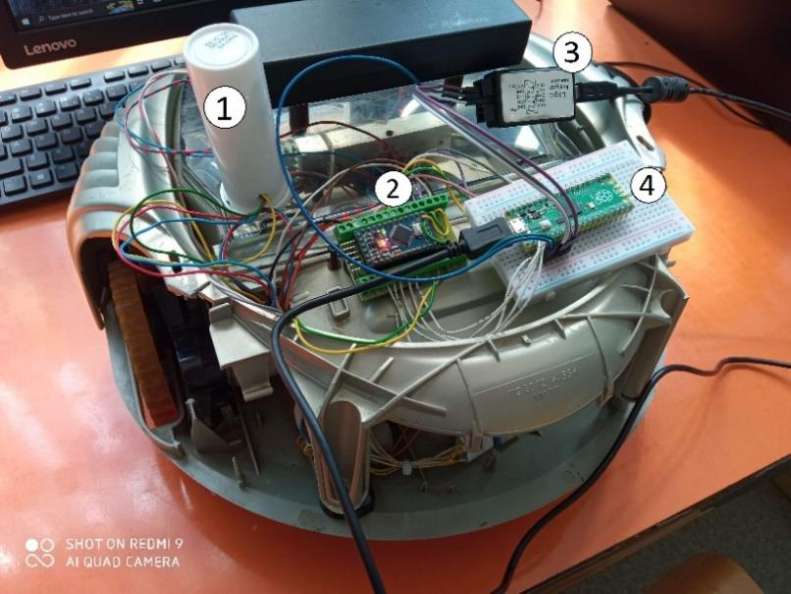
Robot and encoder emulation hardware during testing
Robot and encoder emulation hardware during testing · Pop, doctoral thesis summary (2025), Fig. 5.3

Adrian Pop developed an interface that emulates wheel encoder signals so the robot controller can be tested without moving the vehicle. The photograph shows the interface connected to the physical robot during initial tests.

Read the 2023 IEEE paper

Wireless data acquisition system for IoT applications

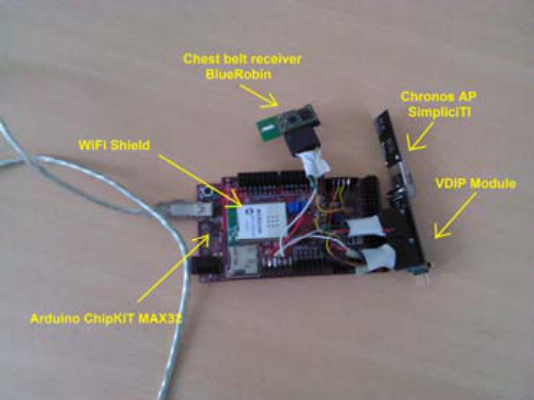
Experimental wireless acquisition platform
Experimental wireless acquisition platform · CJECE (2013), Fig. 4

Claudiu Lung, Ștefan Oniga, Attila Buchman and Alin Tișan developed an IoT acquisition platform that receives heart-rate measurements from a chest belt and acceleration data from a wristwatch.

2018–2020

Human Activity Recognition (HAR) and Physiological Parameters Monitoring Systems

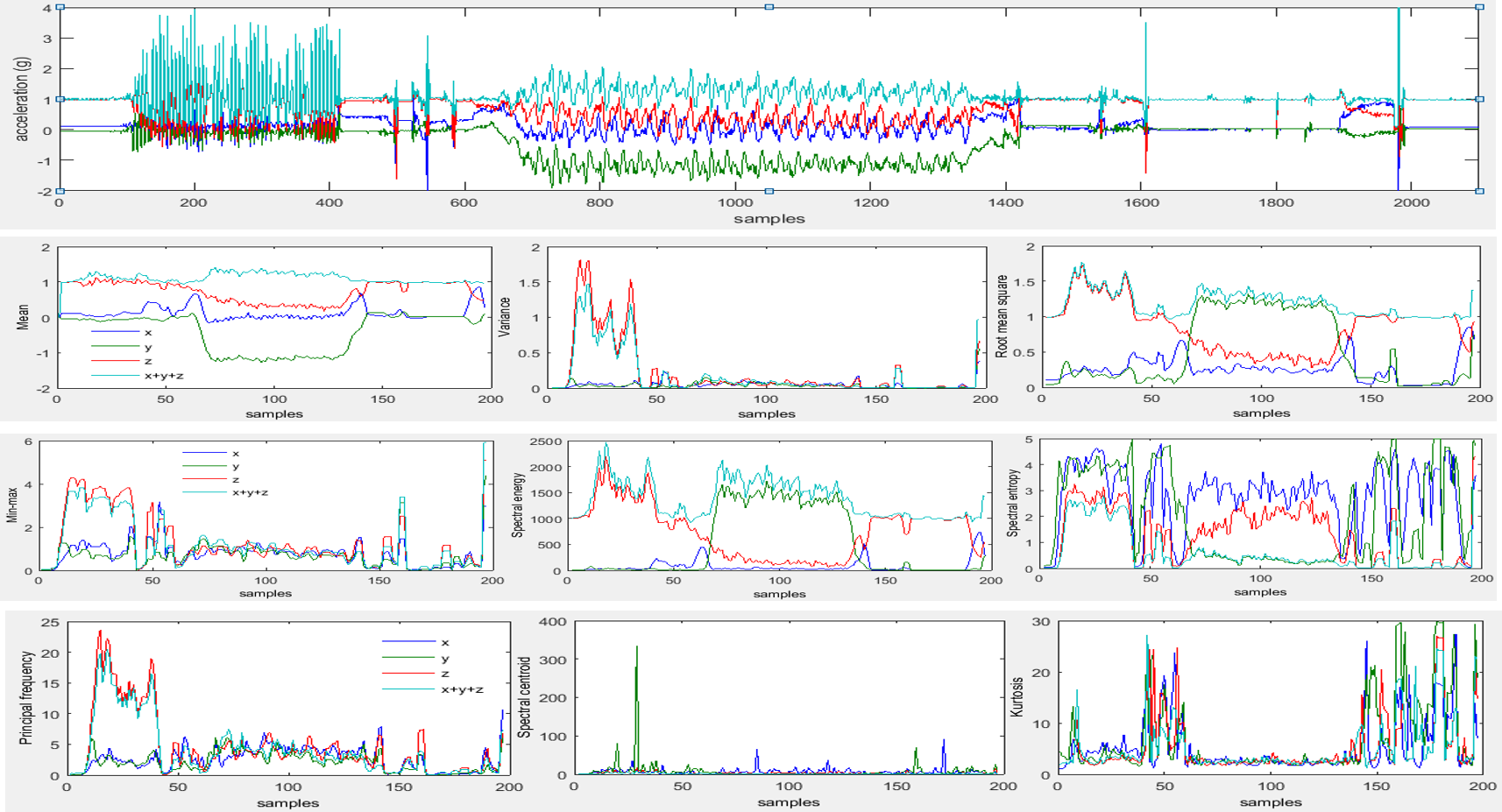
Recorded sensor signals for human activity recognition and physiological monitoring

The project developed data acquisition systems for activity recognition and health monitoring in assistive robotics, using a minimal set of wearable motion sensors.

  • Acquire motion data from wearable accelerometers and inertial sensors.
  • Integrate physiological sensors and correlate their measurements with motion data.
  • Recognise gestures from acceleration signals.
  • Implement real-time activity recognition using different types of inertial sensors.
2007

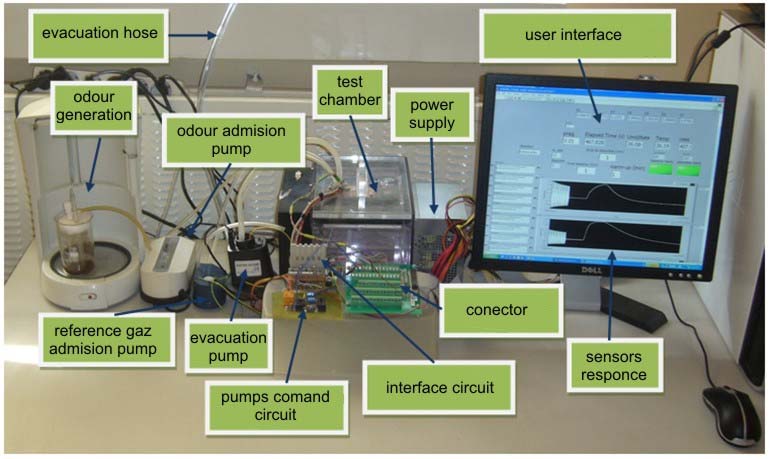
NOSE

Electronic nose sensor prototype

Electronic Nose, "Contributions regarding the study, the synthesis and the implementation of certain applications using systems with intelligent sensors" CNCSIS Contract No. 602/2007, code TD-277.

2007

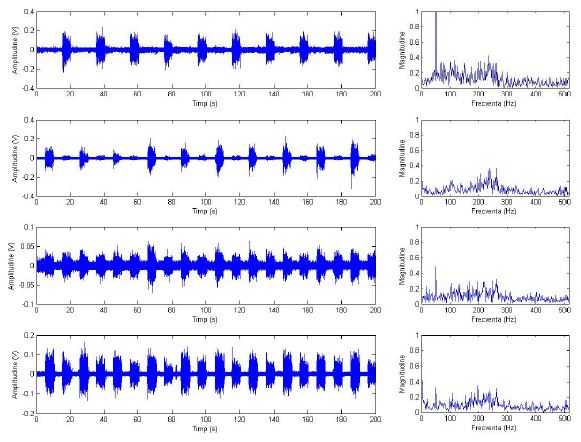
MYOELECTRIC SIGNAL PATTERN RECOGNITION

Experimental setup for myoelectric signal acquisition

Design and development of a FPGA based system for myoelectric signals pattern recognision, based on neural networks. "Research regarding the implementation of a neural network used to process signals generated by the muscular and nervous system." CNCSIS Contract No. 171/02.10.2007, TD-11.

2002–2005

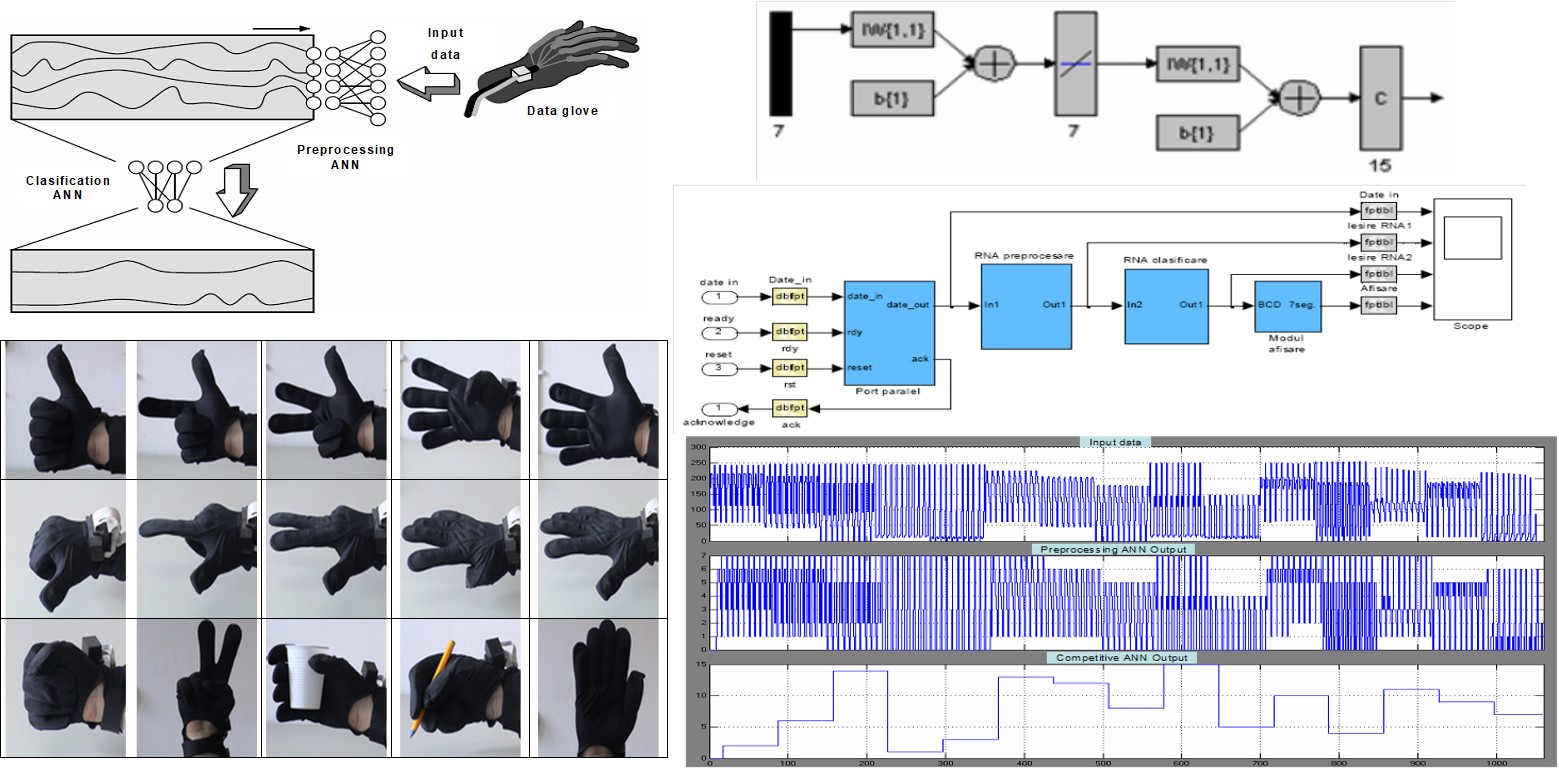
Hand gesture recognition

Sensor system for hand gesture recognition

A sensor system for recognising hand gestures using artificial neural networks.